What Does a Freight Forwarder Actually Do? (And Why It Matters More Than Ever)
Freight forwarding involves much more than booking cargo. From customs clearance and shipping documentation to multimodal transport planning and risk management, freight forwarders play a critical role in global trade. This guide explains how freight forwarding works, what services are involved, and why choosing the right logistics partner can improve efficiency, reduce costs and strengthen supply chain resilience.
Editorial Desk
Jul 03, 2026
8 min read
International trade has never been more connected—or more complicated.
A shipment moving from a manufacturer in Asia to a warehouse in the UK might involve multiple carriers, customs authorities, ports, warehouses, insurers, and compliance requirements before it reaches its final destination.
Many businesses assume a freight forwarder simply books transport. In reality, that's only one part of the job.
A professional freight forwarder acts as the operational coordinator behind global supply chains, ensuring cargo moves efficiently, complies with regulations, manages risk, and reaches its destination with minimal disruption. As international logistics becomes increasingly data-driven and regulation-heavy, the role of the freight forwarder has evolved from a shipping intermediary to a strategic logistics partner.
Beyond Booking Freight
At its core, freight forwarding is about managing the movement of goods from origin to destination.
However, the actual responsibilities extend far beyond arranging space on a vessel or aircraft. A freight forwarder plans the most efficient transport route, coordinates multiple logistics providers, manages documentation, oversees customs processes, monitors cargo movement, and resolves issues that arise during transit.
Rather than dealing separately with shipping lines, trucking companies, customs brokers, warehouses, and port operators, businesses gain a single point of coordination that keeps every part of the shipment moving together.
For importers and exporters, this reduces operational complexity while improving visibility throughout the supply chain.
What Does a Freight Forwarder Actually Handle?
Although responsibilities vary depending on the shipment, a professional freight forwarder typically manages:
Each stage requires expertise, regulatory knowledge, and close communication between multiple stakeholders.
When delays occur due to weather, port congestion, customs inspections or schedule changes, the freight forwarder becomes the central point responsible for identifying alternative solutions and minimising disruption.
Why Documentation Matters More Than Transport
One of the biggest misconceptions is that logistics failures happen because of transport problems.
In reality, documentation errors are among the most common causes of shipment delays.
Commercial invoices, packing lists, bills of lading, certificates of origin, dangerous goods declarations, customs declarations, and regulatory certificates must all align correctly.
Even small inconsistencies can lead to customs inspections, additional charges, or delayed cargo release.
Experienced freight forwarders understand these requirements before cargo moves—not after problems arise—helping businesses avoid costly mistakes.
Customs, Compliance and International Trade Rules
International shipping isn't governed by transport alone.
Trade agreements, customs procedures, sanctions, import restrictions, product classifications, VAT requirements, and Incoterms® all influence how cargo moves across borders.
Incoterms®, published by the International Chamber of Commerce (ICC), define which party is responsible for transportation costs, risk, insurance, and customs obligations throughout a shipment. Selecting the wrong Incoterm can result in unexpected costs, duplicated responsibilities, or disputes between buyers and sellers. See our guide to Decoding Incoterms 2020 for a deeper breakdown.
A knowledgeable freight forwarder helps businesses understand these responsibilities before shipments are dispatched, reducing commercial and operational risk.
Technology Has Changed Freight Forwarding
Today's freight forwarding is increasingly digital.
Modern logistics providers use technology to provide shipment visibility, digital documentation, milestone tracking, automated updates, and performance reporting.
Businesses increasingly expect
Real-time shipment visibility
Faster documentation processing
Digital customs communication
Data-driven routing decisions
Predictive delivery updates
Technology improves transparency, but it doesn't replace logistics expertise.
Unexpected port congestion, carrier schedule changes, customs interventions, and supply chain disruptions still require experienced professionals capable of making informed operational decisions.
In logistics, software provides visibility. People provide judgement.
Choosing the Right Freight Forwarder
Not all freight forwarders offer the same level of service.
When evaluating a logistics partner, businesses should consider more than freight rates.
Important questions include
Do they understand your industry?
Can they manage multimodal transport?
Do they provide customs expertise?
Can they coordinate project cargo or oversized shipments?
Do they offer proactive communication during disruptions?
Can they scale as your business grows?
Do they have strong international partner networks?
The right freight forwarder becomes an extension of your operations rather than simply a transport supplier.
Why Freight Forwarders Reduce Supply Chain Risk
Every international shipment carries uncertainty.
Weather events, geopolitical developments, customs inspections, equipment shortages, labour disruptions, changing regulations, and documentation issues can all impact delivery schedules.
An experienced freight forwarder cannot eliminate every disruption—but they can reduce its impact through planning, contingency management, strong carrier relationships, and operational expertise.
This risk management capability often delivers greater long-term value than choosing the lowest freight rate.
The Strategic Value of Freight Forwarding
As supply chains become more complex, logistics decisions increasingly influence customer experience, inventory performance, operational resilience, and overall business competitiveness.
Freight forwarding is no longer simply about moving cargo from one location to another.
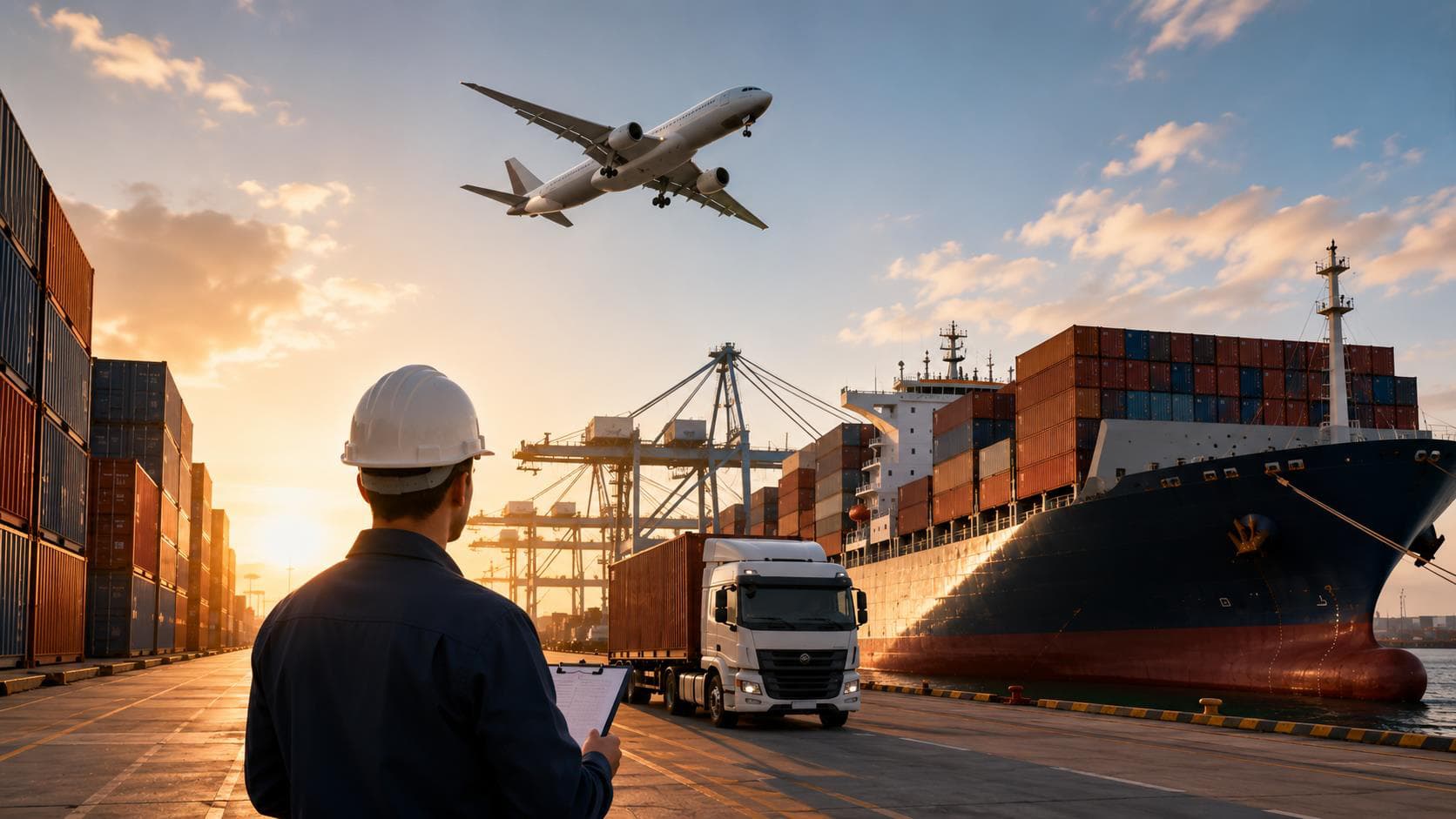
It is about connecting air freight, sea freight, road freight, compliance, technology, communication, and expertise into a single coordinated process that supports reliable international trade.
For growing businesses, choosing the right freight forwarder isn't just a logistics decision—it's a strategic investment in supply chain resilience. For a practical example of how this works on a major trade lane, read our freight routes between the UK and Saudi Arabia guide, or explore UK freight forwarding services in more detail.
At Clarusto Logistics, we believe successful freight forwarding goes beyond transportation. It requires careful planning, regulatory expertise, proactive communication, and end-to-end coordination that helps businesses move with confidence across domestic and international supply chains.
A freight forwarder manages the movement of goods between countries by coordinating transport, documentation, customs procedures, warehousing and delivery through a network of logistics providers.
Is a freight forwarder responsible for customs clearance?
Many freight forwarders coordinate customs clearance by preparing documentation, working with customs authorities and ensuring shipments comply with import and export regulations.
Why should businesses use a freight forwarder?
Freight forwarders simplify international shipping, reduce compliance risks, optimise transport routes and provide end-to-end visibility across the supply chain.
What's the difference between a freight forwarder and a carrier?
A carrier physically transports cargo by air, sea, road or rail, while a freight forwarder organises and manages the entire shipping process using one or more carriers.
How do freight forwarders reduce supply chain risk?
Freight forwarders help minimise delays through route planning, regulatory expertise, contingency management, shipment tracking and proactive communication.